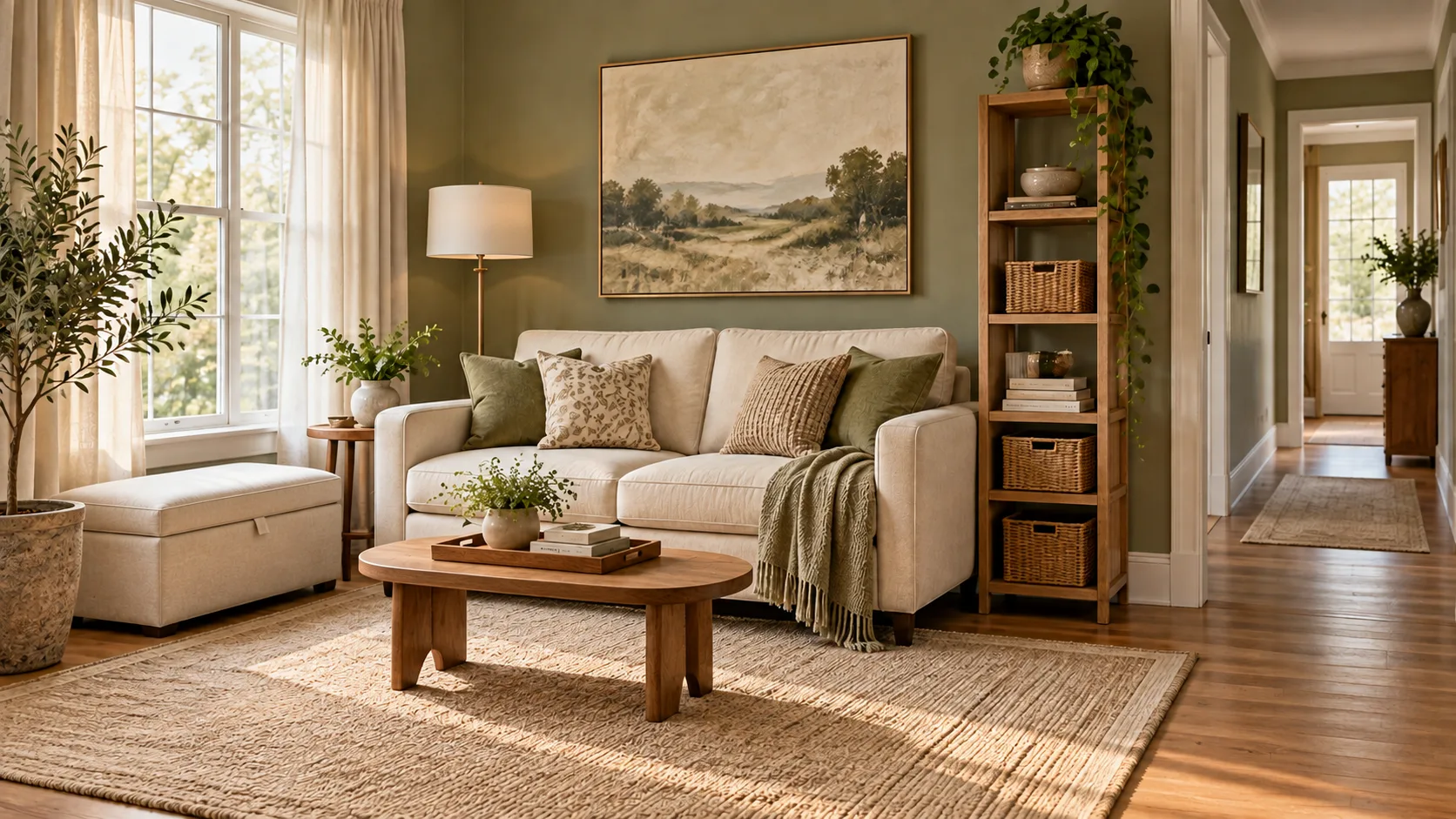
In a small home, storage needs to earn the space it takes up. The right piece gives everyday belongings an easy home while leaving the room comfortable to move through.
The best small-space storage ideas fit your actual measurements, make frequently used items easier to reach, and help the room feel calmer. Start with the clutter that keeps returning, then decide whether to rearrange something you own or buy one missing solution.
Here are nine storage categories worth considering, plus what to buy first, what to reuse, and what to skip.
1. Storage Ottomans That Do Double Duty
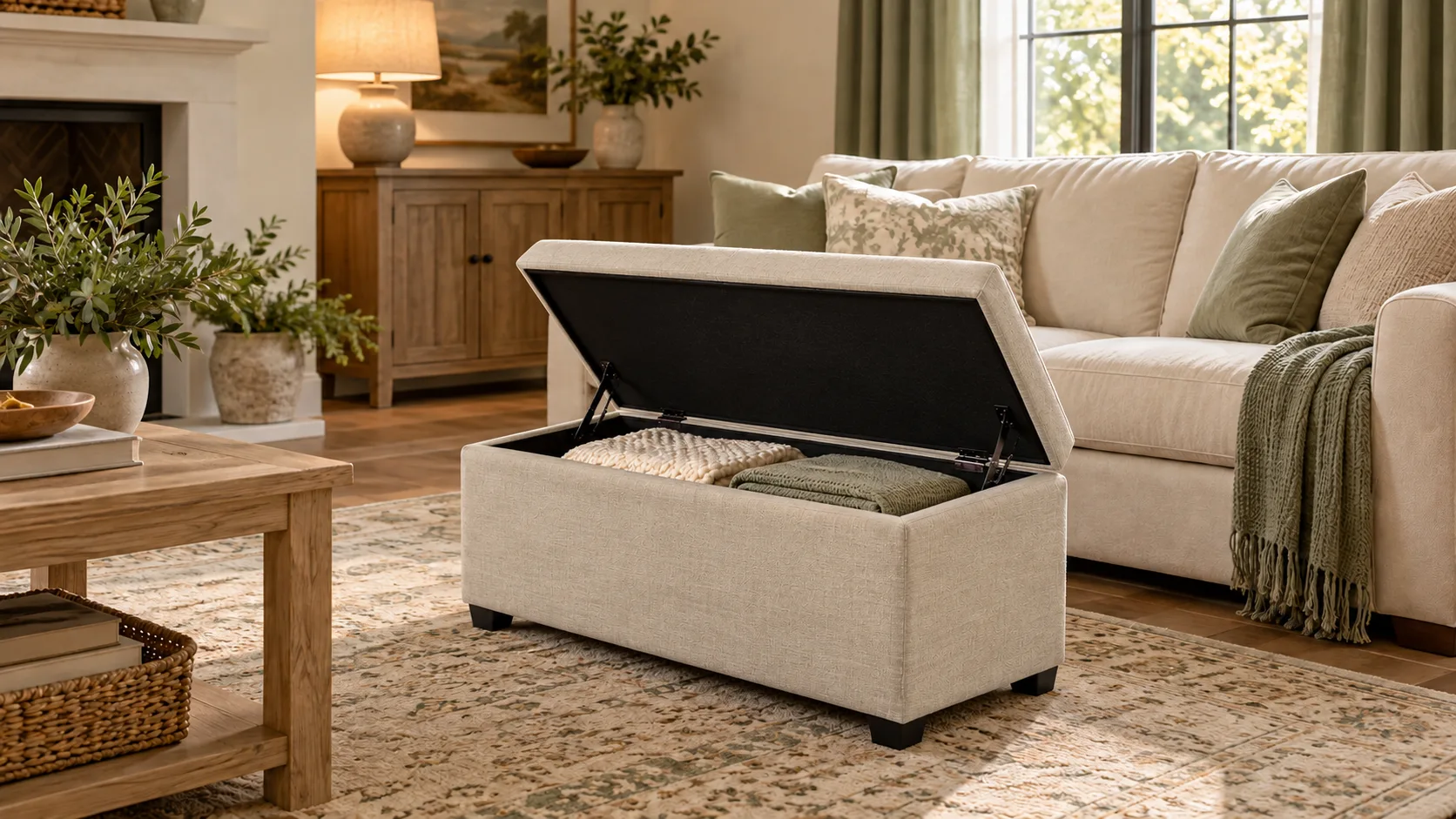
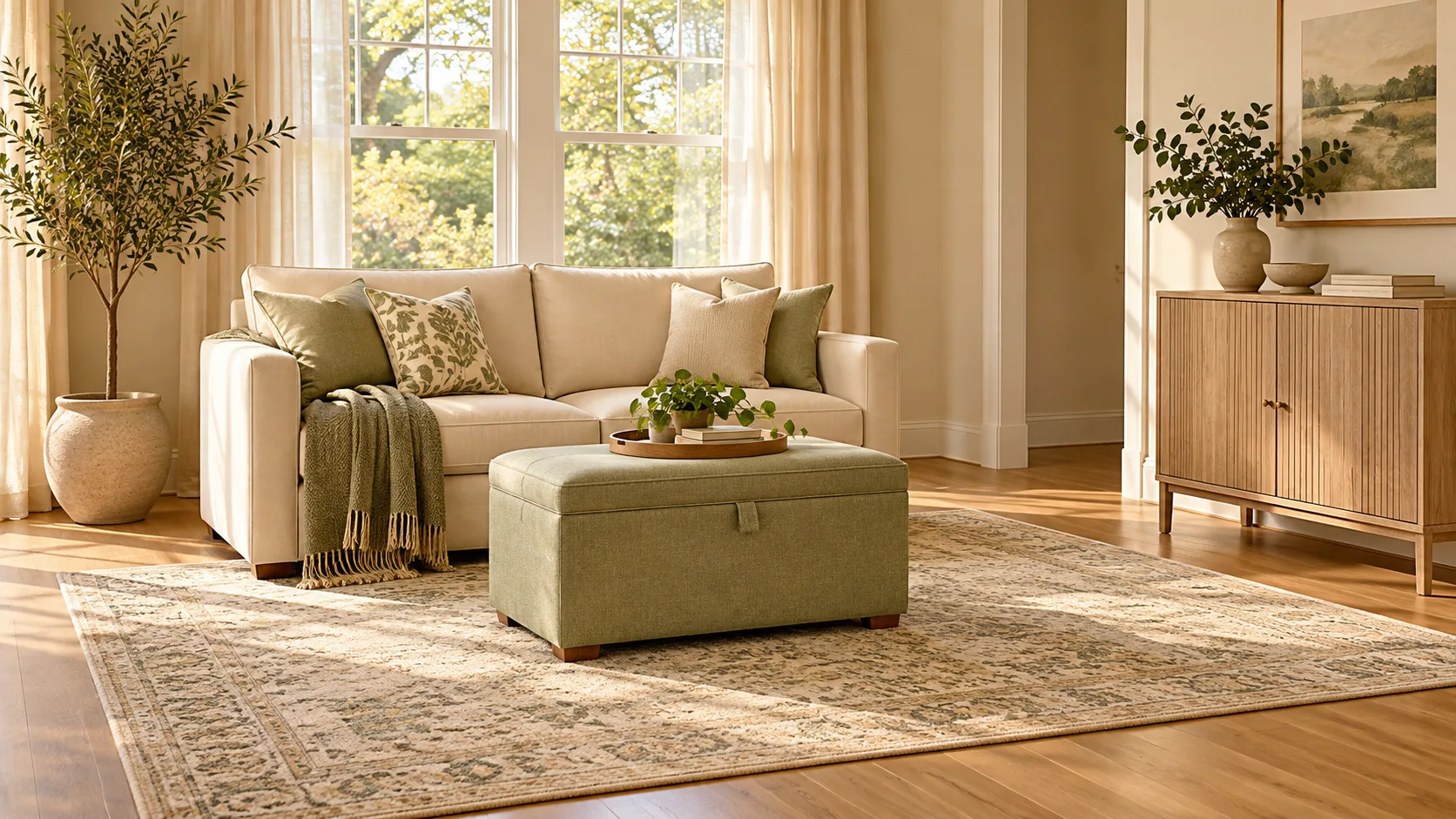
A storage ottoman can be especially useful in a compact living room because it combines seating, a footrest, a soft-surface coffee table alternative, and hidden storage in one footprint.
Look for one that can hold items you genuinely use in that room, such as throws, extra pillow covers, board games, or children's toys. A lift-off lid may offer more storage, while a hinged lid can be easier for frequent access.
Before adding one to your watchlist, measure the open floor space and leave enough room to walk comfortably around it. A bargain ottoman that blocks your main pathway will make the room feel smaller.
What to check:
• Exterior dimensions and usable interior dimensions
• Lid style and ease of opening
• Weight capacity if it will be used for seating
• Fabric or finish that works with your existing room
• Whether the shape improves or interrupts traffic flow
Best fit: Throws, spare covers or games you use in the living room.
Check the seat rating and lid mechanism; a storage-only box is not automatically safe seating. Check whether opening the lid requires moving a tray every time.
Reuse or skip: Keep a basket or an existing coffee table with storage if it already works. Skip a bulky ottoman that narrows the route around the sofa.
2. Slim Shelving for Narrow Walls
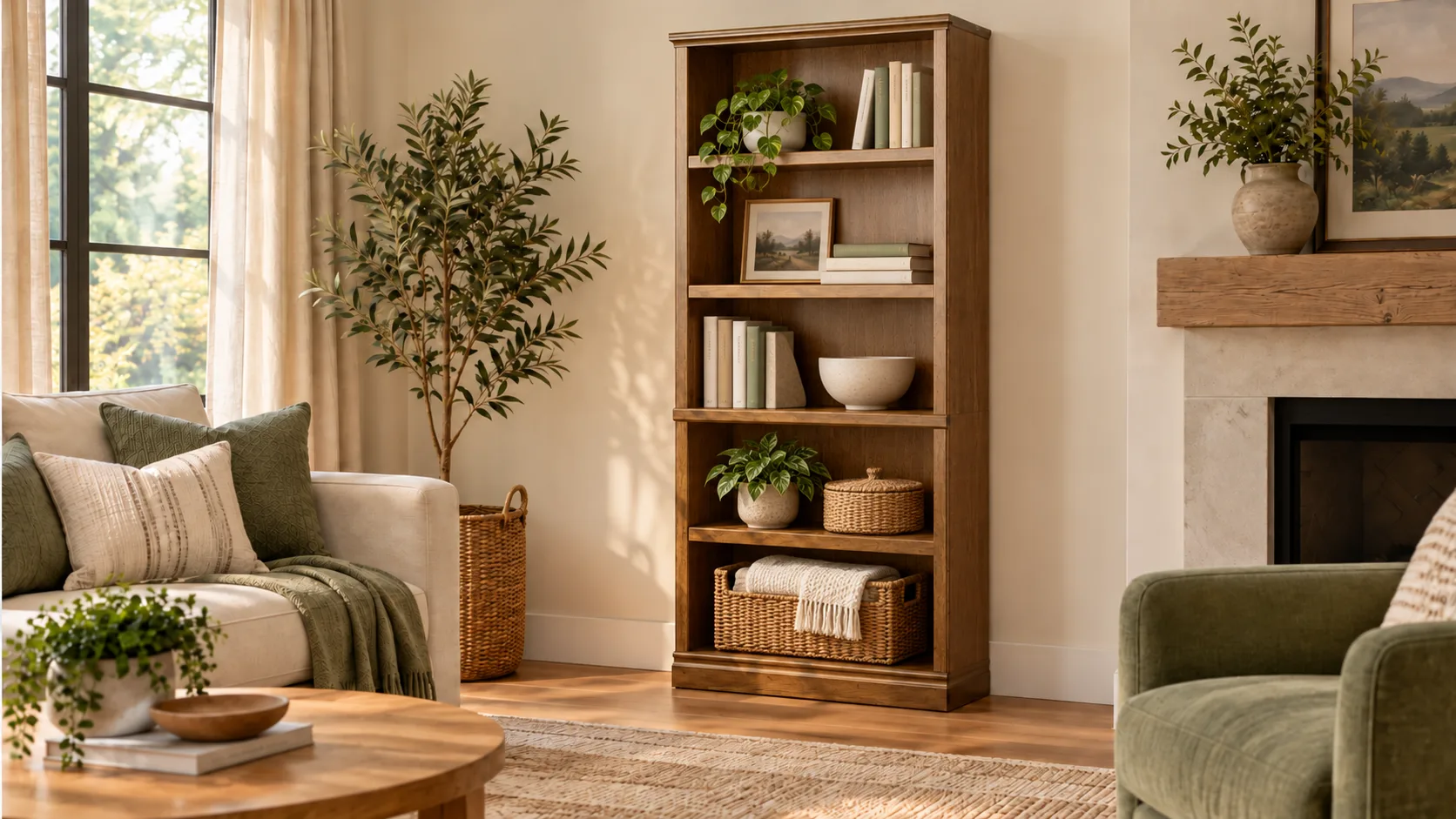
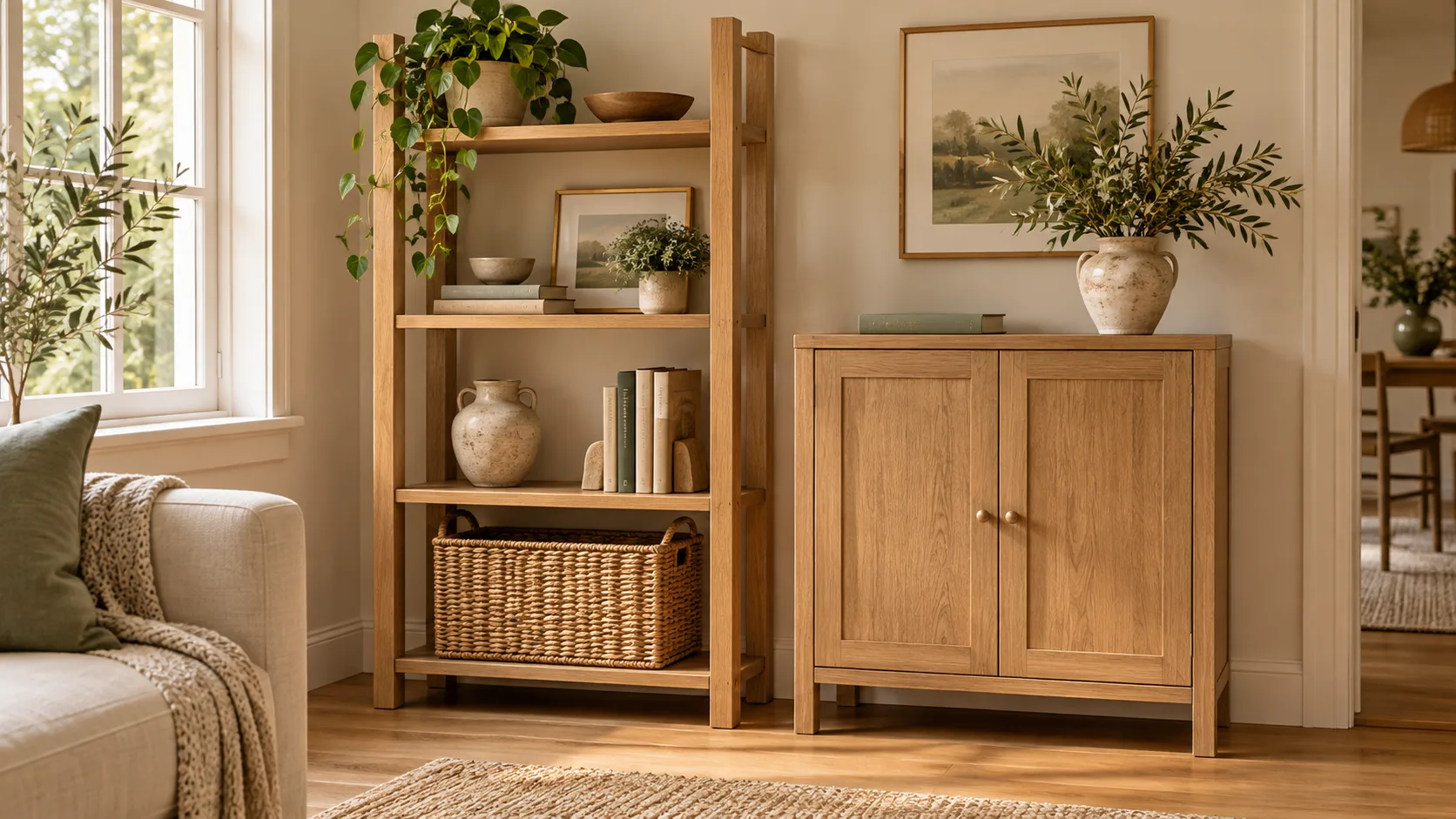
When floor space is limited, narrow vertical storage can make better use of an overlooked wall. Slim bookcases, ladder-style shelves, and narrow shelving towers can work in living rooms, bedrooms, bathrooms, and even awkward corners.
The key is to avoid buying a tall unit simply because it offers many shelves. Think about what will actually live there. Open shelving is best when you can keep the contents reasonably tidy. If you need to hide visual clutter, a narrow cabinet with doors may be the better choice.
For tall pieces, follow the manufacturer's anchoring instructions and use appropriate anti-tip hardware.
Best fit: Books and frequently used small items on an unused wall.
Check usable shelf depth, load limits, baseboard clearance and the wall-anchoring requirements. Put heavier belongings on lower shelves.
Reuse or skip: Reorganize an existing shelf before adding another. Skip tall open shelving when it would expose clutter you want hidden.
3. Under-Bed Storage That Matches What You Store
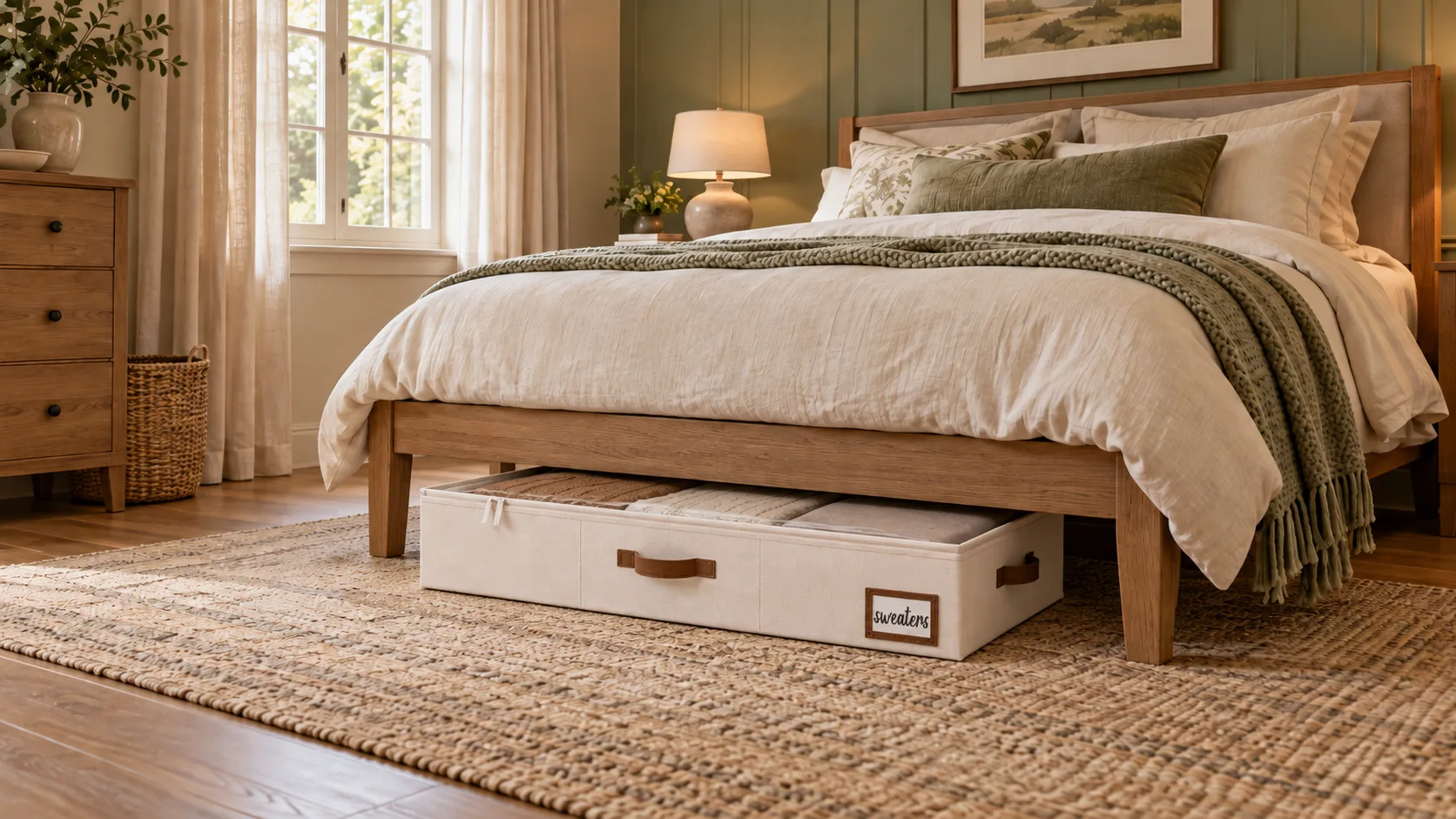
The area beneath a bed is valuable, but only if the storage is easy to access. Low bins, zippered fabric cases, and rolling containers can work well for seasonal bedding, extra linens, shoes, or less frequently used clothing.
Measure the actual clearance from the floor to the bed frame before shopping. Do not rely on the word “under-bed” in a product title.
Clear or labeled containers make it easier to find what you need without pulling out every bin. If dust is a concern, choose covered storage rather than open baskets.
Best fit: Clean seasonal bedding and less frequently used linens.
Check clearance at the lowest bed-frame point, central legs, wheels and handle height, plus room to pull a case out. Store textiles fully dry.
Reuse or skip: A covered low container you already own may work. Skip bins that fit underneath but cannot be pulled out without moving furniture.
4. Storage Benches for Entryways and Bedrooms
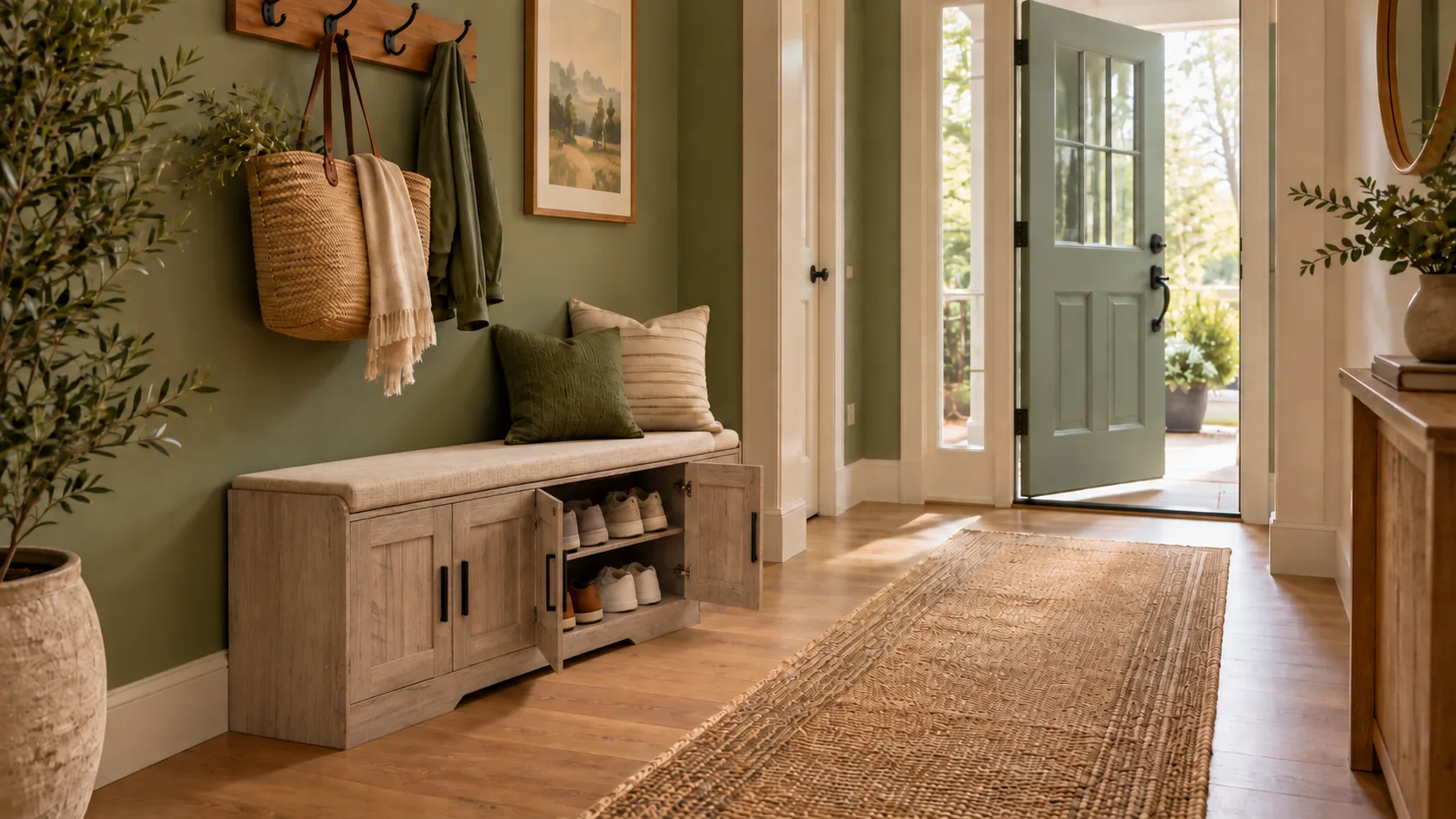
A compact storage bench can solve two problems at once: it provides a place to sit and creates a home for items that otherwise collect in the room.
In an entryway, a bench may hold shoes, reusable bags, pet supplies, or outdoor accessories. At the foot of a bed, it can store spare bedding or pillows.
For a narrow entry, depth matters as much as width. Tape the proposed footprint on the floor before buying. Open and close nearby doors and walk through the space to make sure the bench will not create a bottleneck.
Best fit: A place to sit and concealed everyday storage near the door.
Check seat capacity, interior dimensions and access to the storage compartment. Keep the main path and nearby door swing clear.
Reuse or skip: Keep a shallow cabinet if you do not need seating. Skip a bench that forces people to turn sideways to pass.
5. Baskets That Fit Existing Shelves
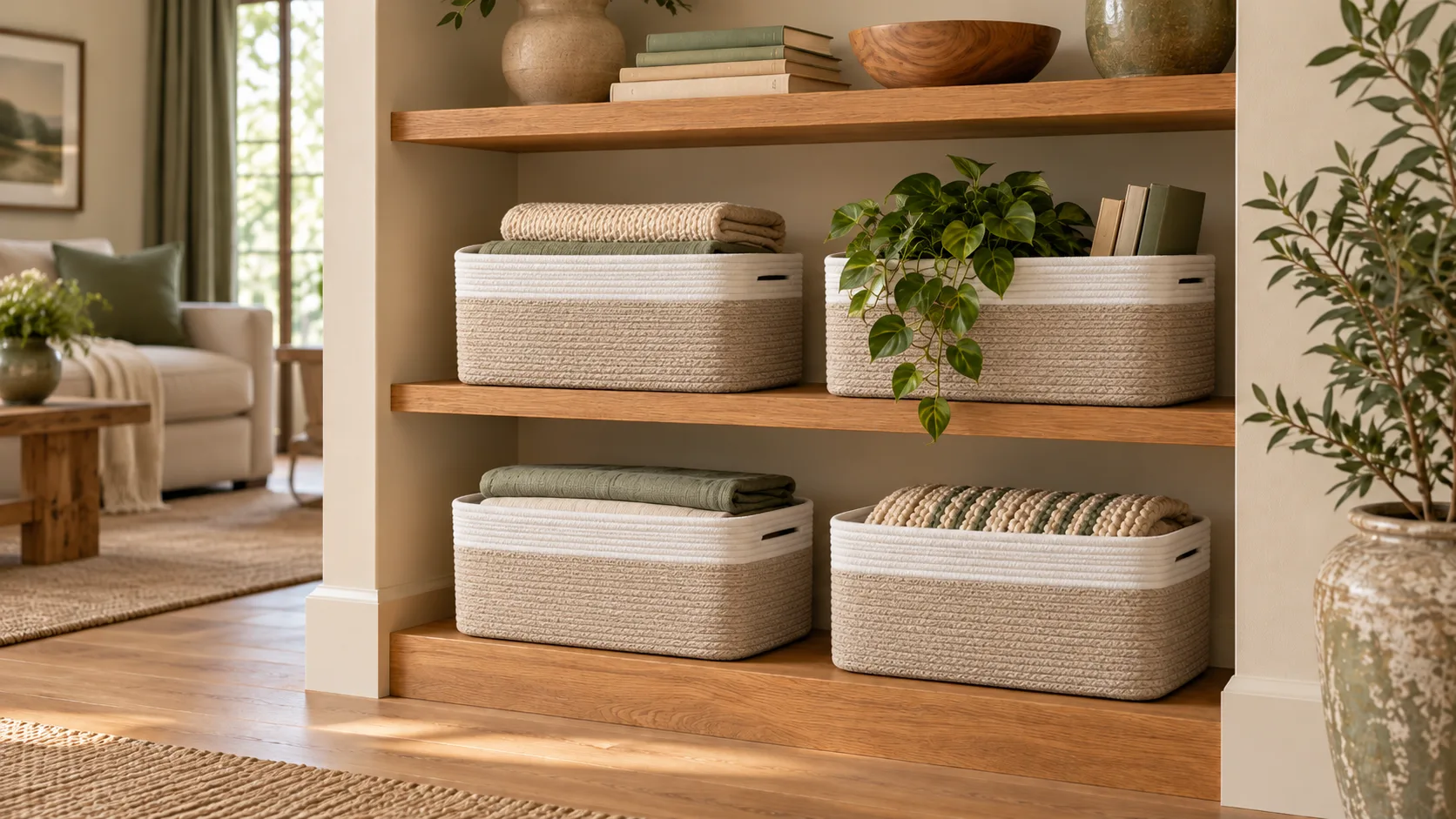
Baskets are useful when they organize a shelf you already own. They are less useful when you buy several first and then try to invent a purpose for them.
Measure shelf width, depth, and height, then decide what category each basket will hold. Matching baskets can reduce visual noise, but function matters more than having a perfectly coordinated set.
Good uses include charging accessories, craft supplies, small toys, extra toiletries, cleaning cloths, or pantry packets. Choose handles for baskets that will be pulled down frequently.
Best fit: One defined category on a shelf you already use.
Measure the basket's widest external dimensions including handles. Allow grip room and check how easy it is to lift when filled.
Reuse or skip: Try existing bins first. Skip a matching multipack until one basket fits and works in your routine.
6. Over-the-Door Storage for Hidden Vertical Space
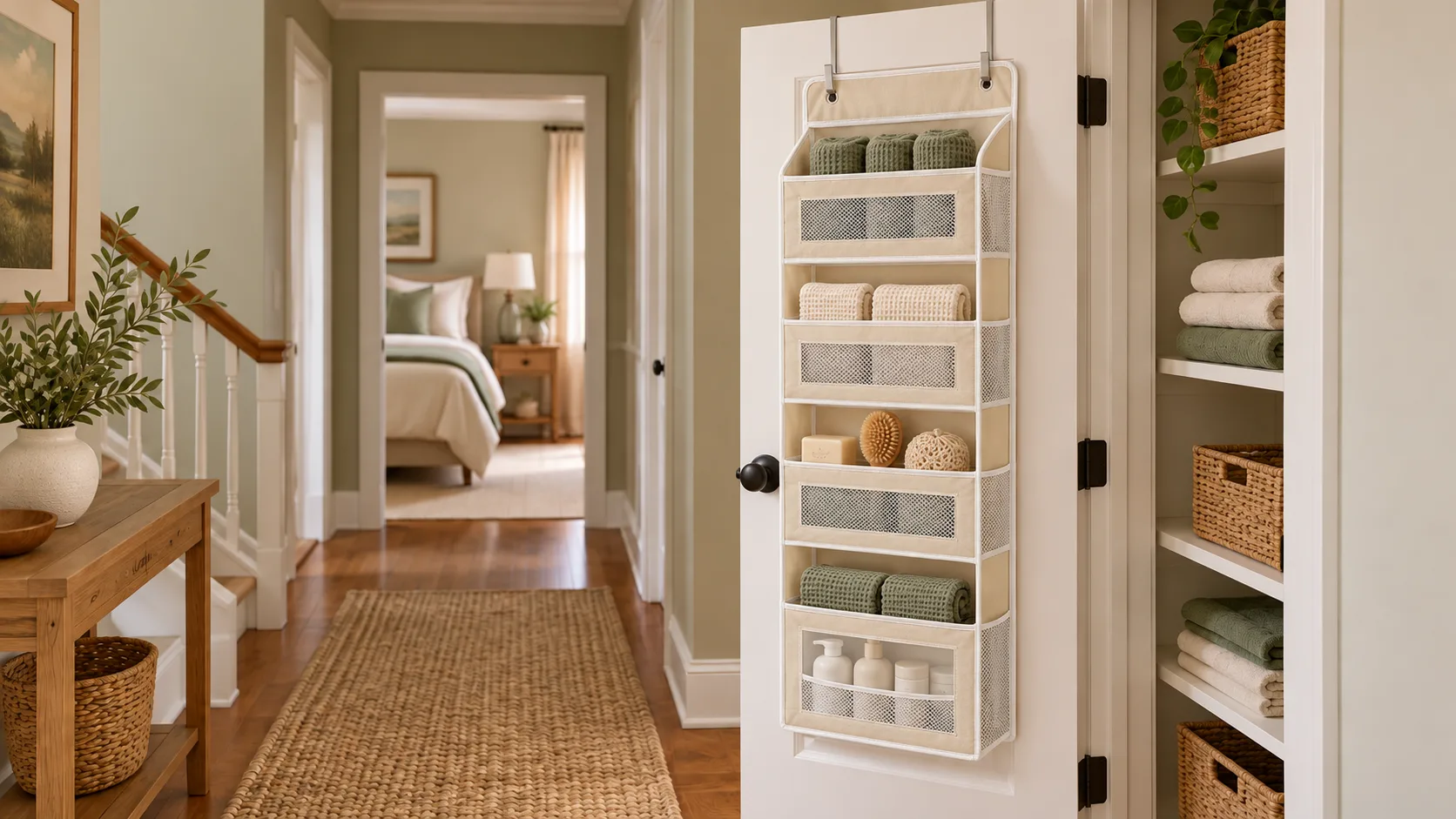
The back of a door can provide useful storage without taking up floor area. Depending on the room, an over-the-door organizer can hold shoes, accessories, cleaning supplies, pantry items, or bathroom essentials.
Check door thickness, clearance, and whether the organizer will interfere with closing. In a visible area, choose a design that looks intentional rather than overloaded.
This solution works best when the stored items are lightweight and grouped by purpose.
Best fit: Lightweight accessories or washcloths behind a compatible door.
Check hanger fit, door-top clearance, weight limit and closing ability. In a rental, confirm the intended attachment is permitted.
Reuse or skip: Reassign an existing organizer. Skip any model that prevents the door from closing or puts heavy items overhead.
7. Narrow Cabinets for Awkward Gaps
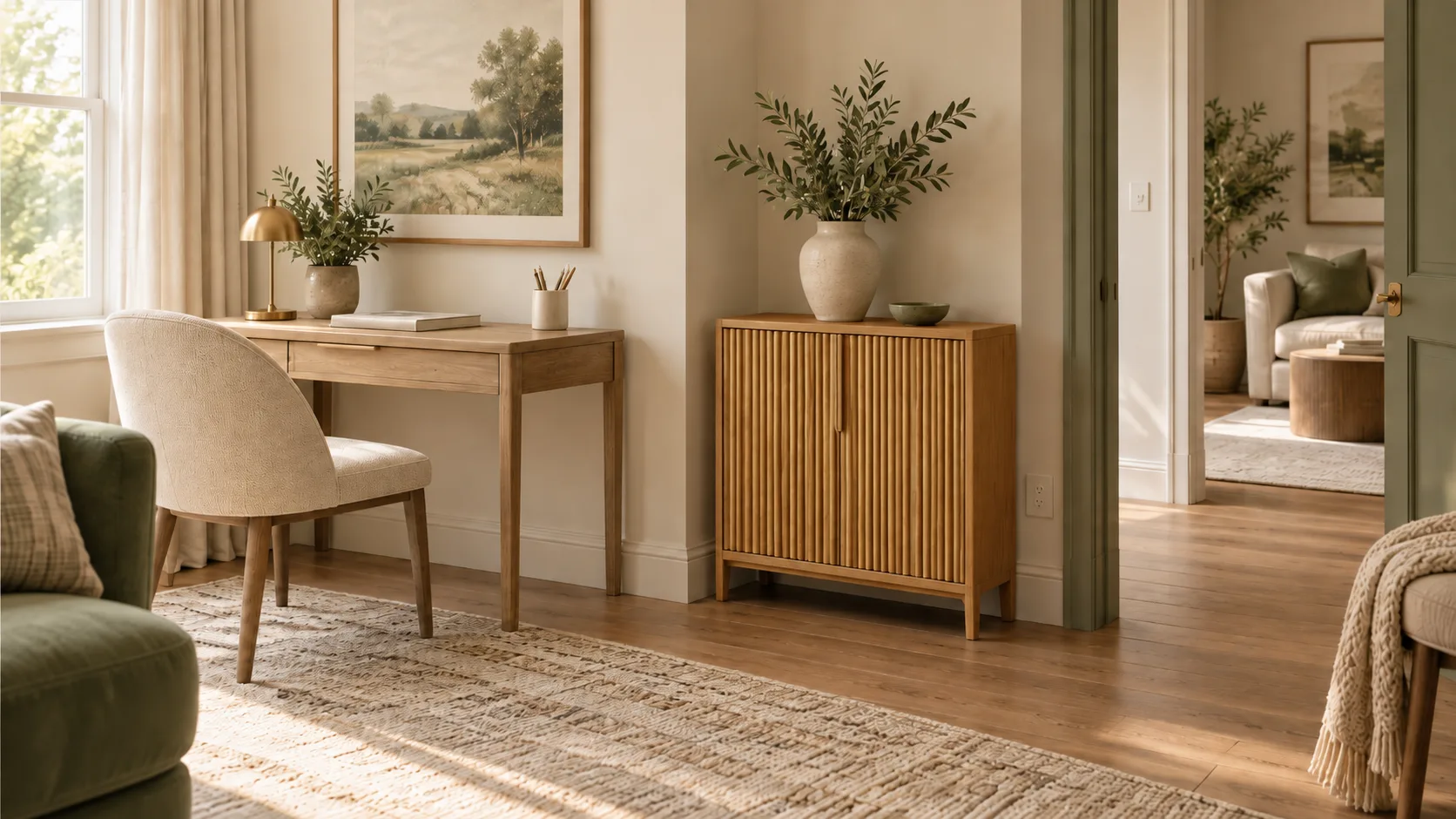
A slim cabinet can turn a narrow gap into useful closed storage. These pieces can work beside a vanity, near a desk, in a small dining area, or along an unused wall.
Closed storage is especially helpful when a room already has several visible objects. Doors create a calmer look and make everyday clutter easier to contain.
Before buying, check door swing, drawer clearance, baseboard depth, and whether nearby outlets or vents need to remain accessible.
Best fit: Visual clutter on an otherwise unused wall or small gap.
Check the full depth including handles and baseboards; allow doors or drawers to open. Follow any anchoring requirements.
Reuse or skip: Rearrange an existing cabinet first. Skip an attractive unit with unusably shallow interior shelves.
8. Nesting Tables with Useful Surfaces
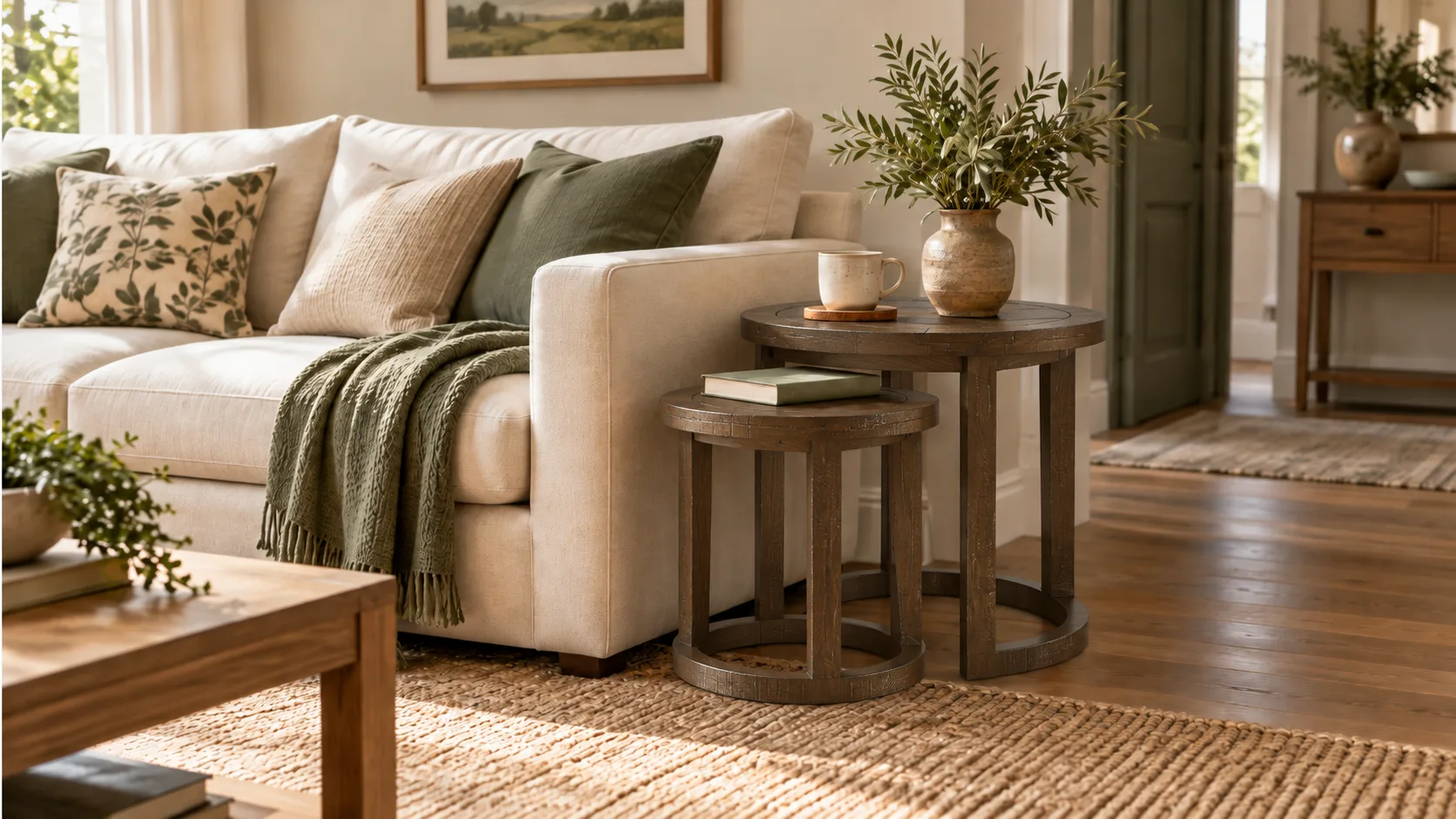
Nesting tables are not traditional storage, but they can reduce the need for multiple permanent pieces. When nested, they use a small footprint. When guests arrive or you need an extra surface, they can separate.
Choose a set only if you regularly need flexible surfaces. If you need concealed storage instead, a small table with a drawer or shelf may be more useful.
Best fit: Occasional extra surfaces when guests visit.
Check stability and the footprint of the tables when separated. Nesting surfaces do not provide concealed storage.
Reuse or skip: Keep an existing side table if you rarely need a second surface. Skip this purchase when your real problem is belongings without a home.
9. Bedside Storage That Uses Height
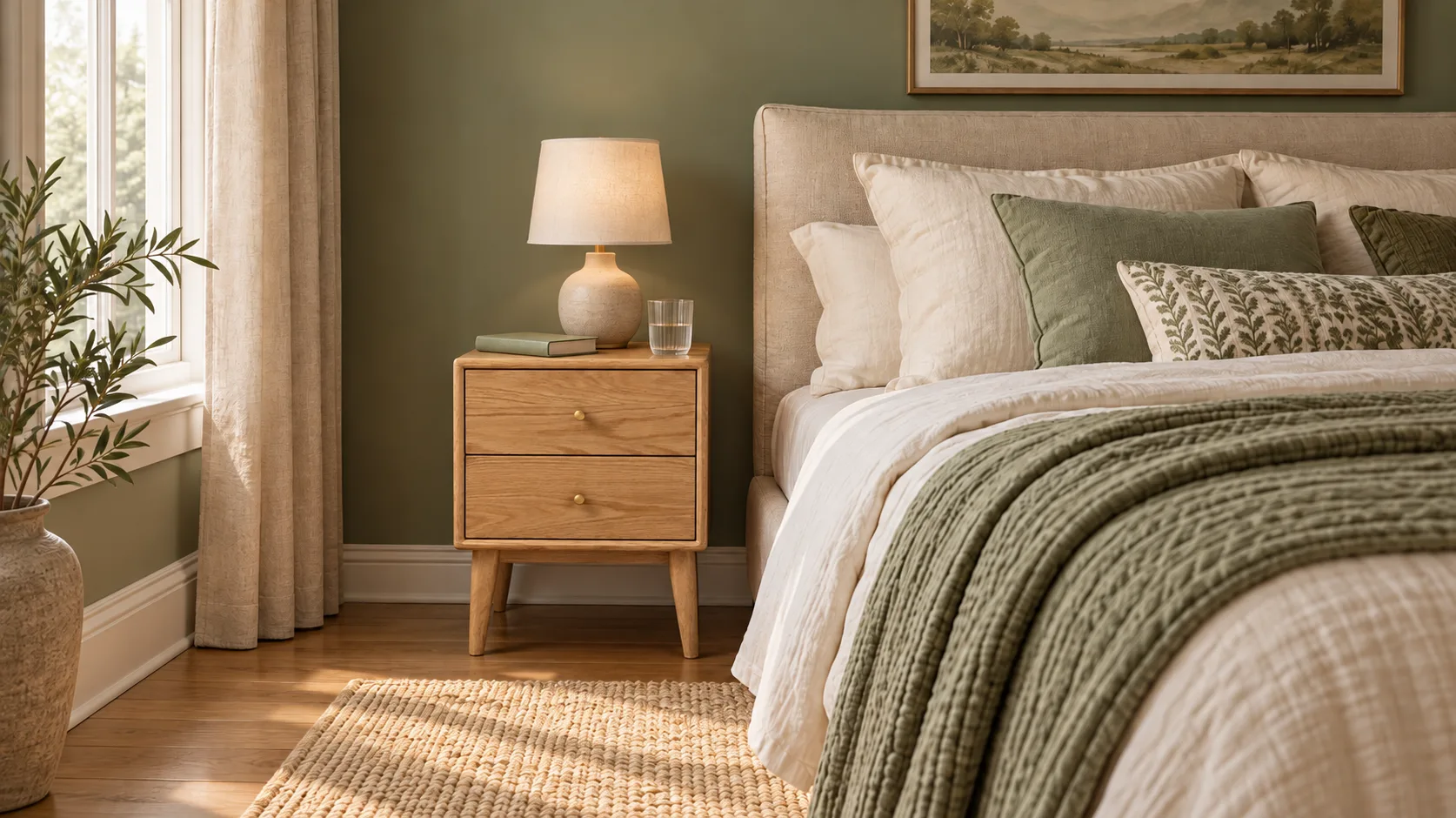
A tiny nightstand can quickly become cluttered. A narrow bedside cabinet with drawers, a small shelf unit, or a wall-mounted nightstand can make better use of vertical space.
Think about your nightly essentials first: phone, charger, glasses, book, medication, or water. Buy enough storage for those items rather than the largest piece that fits.
Wall-mounted options can make the floor easier to clean, while drawers help keep small items out of sight.
Best fit: Nightly essentials that otherwise crowd a tiny bedside top.
Check reach from the mattress, drawer opening clearance and cable routing. Wall-mounted options need compatible wall fixing and installation.
Reuse or skip: A small cabinet you already own may be enough. Skip a deep unit that blocks wardrobe access or the route beside the bed.
What to Buy First, What to Reuse, and What to Skip
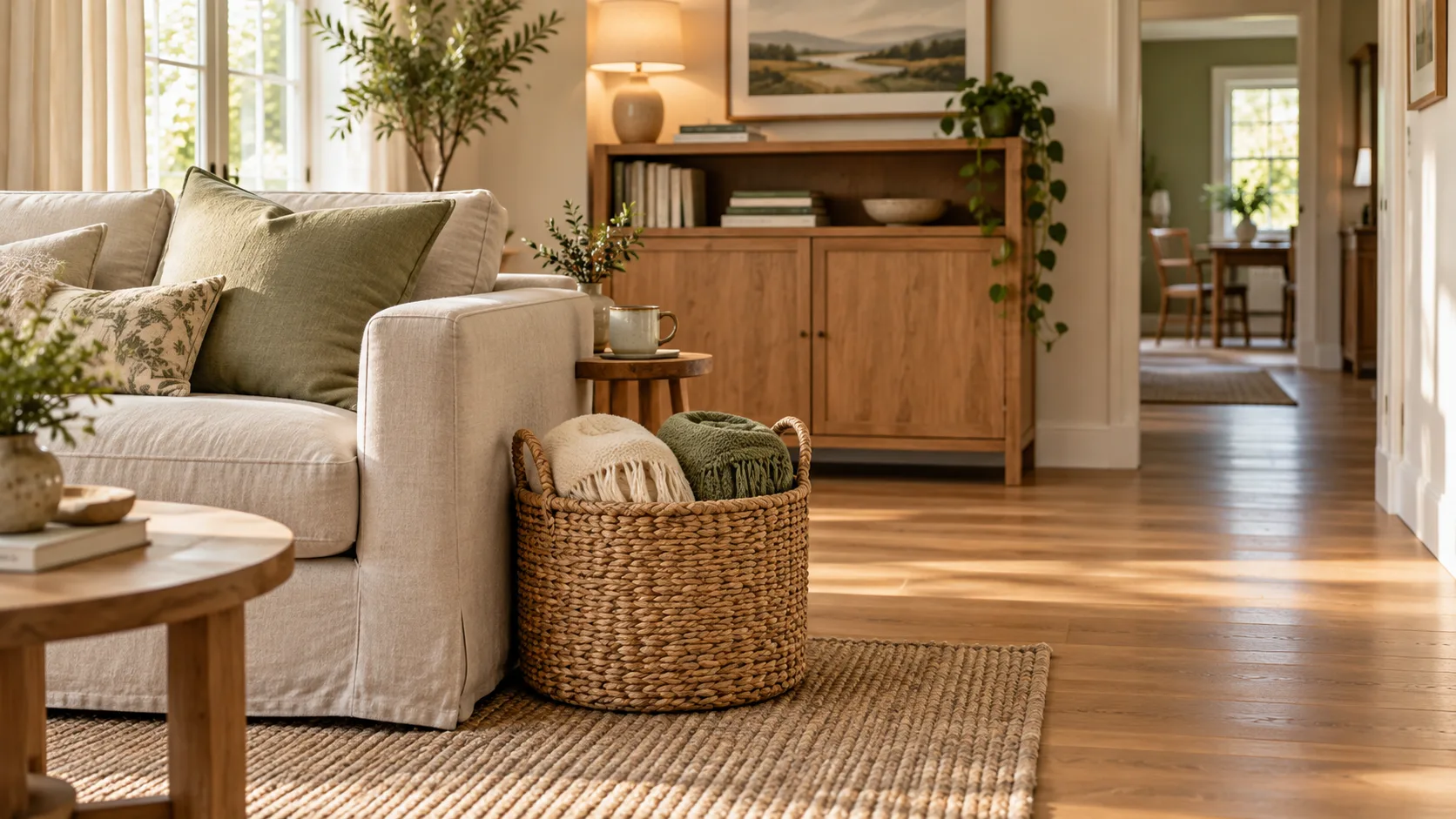
Buy first: Choose the one area that creates daily frustration. If blankets never get put away, try a suitable container near the sofa. If seasonal bedding fills a wardrobe, check whether covered storage can fit under the bed. Buy one solution before expanding.
Reuse: Empty and regroup an existing shelf, move a basket closer to where its contents are used, or repurpose a small cabinet. Declutter the contents before choosing a larger container.
Skip: Organizer bundles without measurements, furniture that blocks circulation, and storage for belongings you no longer need. More capacity is not useful if putting things away becomes harder.
How to Build a Smarter Storage Shopping List
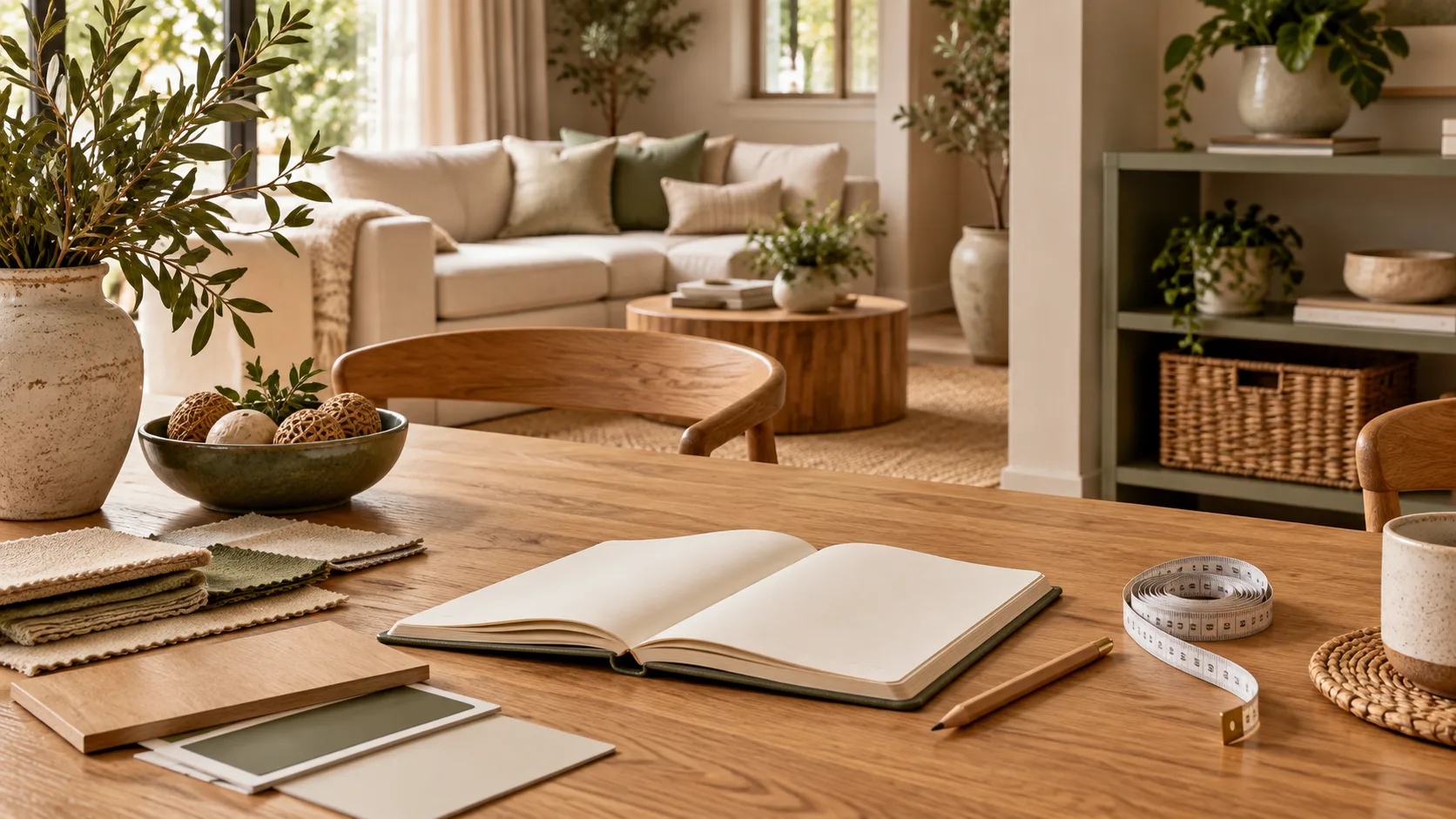
Start with the problem, not the product.
Walk through your home and identify three places where clutter repeatedly returns. Write down what is accumulating there and why. Then look for a storage solution that directly addresses that behavior.
For each potential purchase, record:
• Exact available width, depth, and height
• What the item will store
• How often you need to access it
• Your preferred material or finish
• Your maximum budget
• The regular price you have observed
Tracking the normal price helps you judge whether a sale is meaningful rather than reacting to a promotional label.
What to Check Before Buying Storage Online
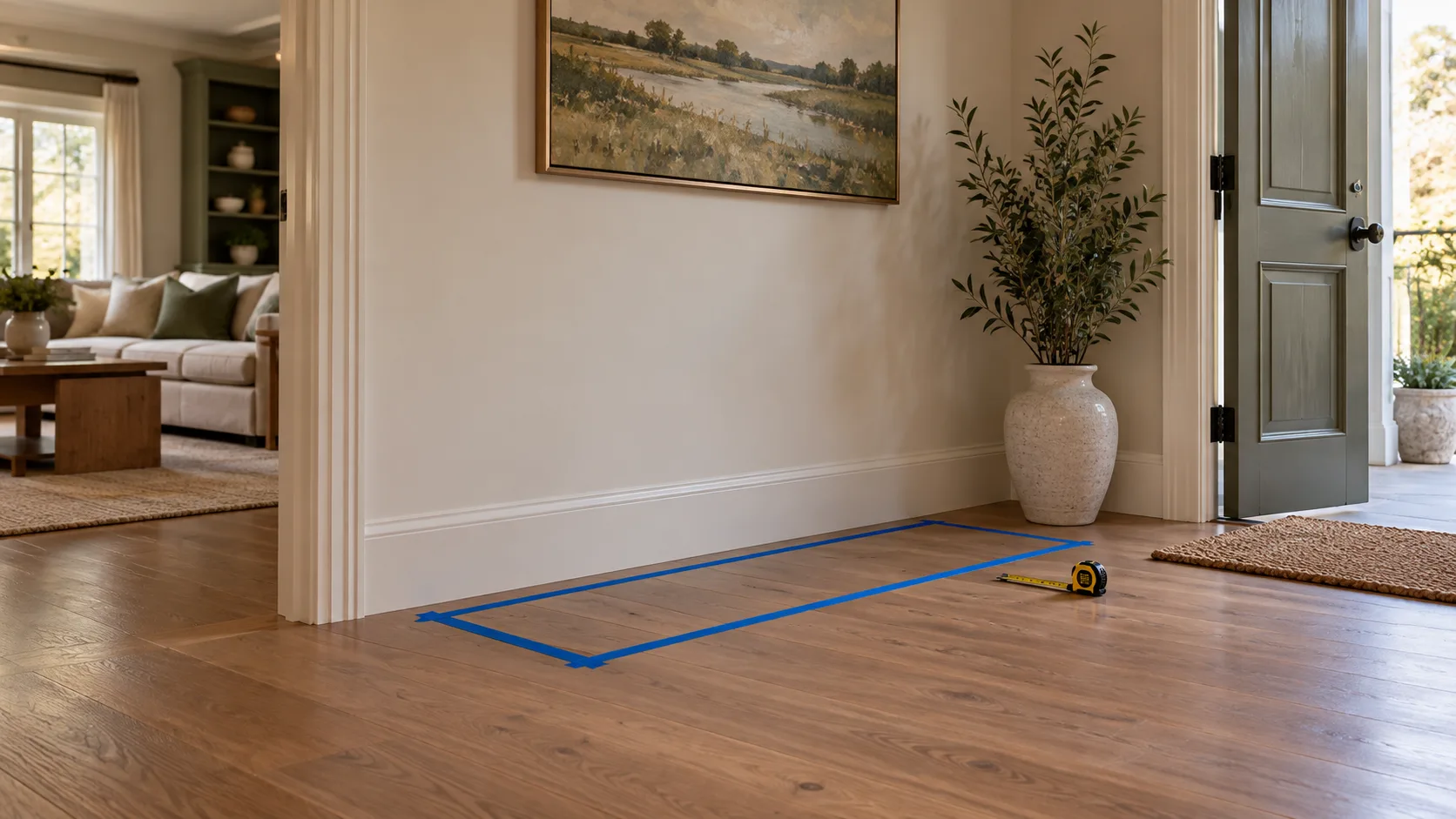
Measurements come first. Product photos can make a cabinet or ottoman look larger or smaller than it really is, so compare the listed dimensions with your room.
Also check assembly requirements, weight capacity, shelf adjustability, materials, return conditions, and customer photos when available. For fabric bins or baskets, consider whether they can be wiped clean. For furniture, look at how the back and hardware are finished, especially if the piece will be visible from several angles.
A useful storage purchase should make daily life easier after the excitement of the sale is over.
What You Can Skip
Skip organizers that do not have a specific job. Avoid oversized storage furniture that solves clutter by consuming too much floor space. Be cautious with highly specialized organizers if a simple basket, shelf, or drawer divider would work just as well.
And do not buy multiples until you have tested one. A product that looks perfect online may not fit your habits once it is in the room.
A Simple Rule for Small-Space Storage
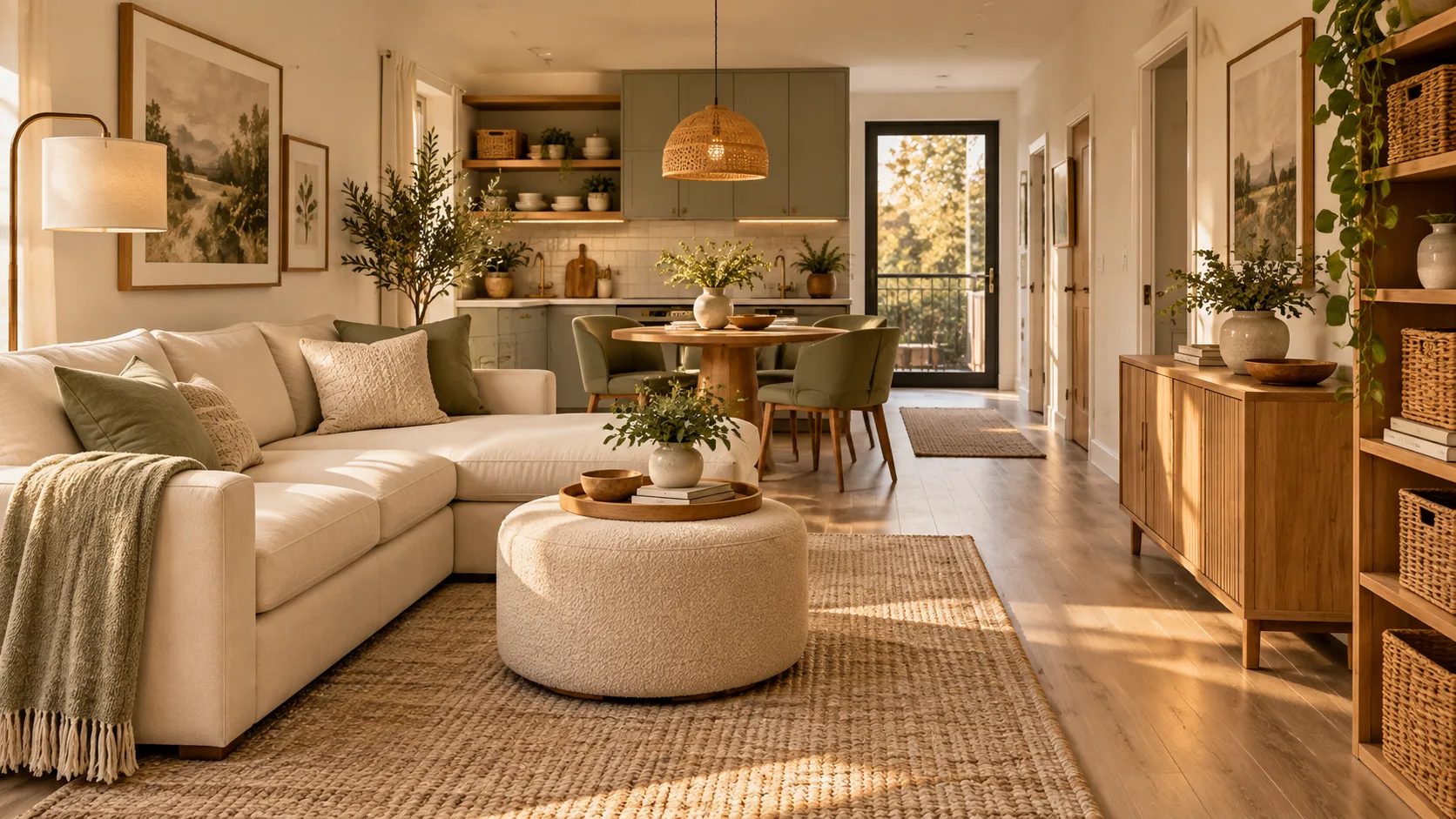
The best storage is not the piece that holds the most. It is the piece that helps you put things away easily without making the room harder to use.
Whether you shop now or wait for a sale, prioritize versatile pieces, accurate sizing, durable materials, and storage that supports the way your household already lives. That approach can help you save money and avoid adding another item that eventually becomes clutter itself.
Small-Space Storage FAQs
What storage furniture is best for a small living room?
Multipurpose pieces such as storage ottomans, compact benches, narrow cabinets, and slim vertical shelving are often useful because they provide storage without requiring several separate pieces.
How do I know if a storage item is too big for my room?
Measure the full footprint and mark it on the floor with painter's tape. Check walking paths, door swings, drawers, and nearby furniture before ordering.
Is open or closed storage better for small spaces?
Both can work. Open storage keeps frequently used items accessible, while closed storage reduces visual clutter. A mix of the two is often practical.
What small-space storage should I buy first?
Start with the area causing the most repeated clutter. Choose a solution for that specific problem before buying general organizers.
Are storage baskets worth buying on sale?
Yes, when they fit a known shelf or cabinet and have a defined purpose. Buying baskets without measurements or a plan can create more clutter.